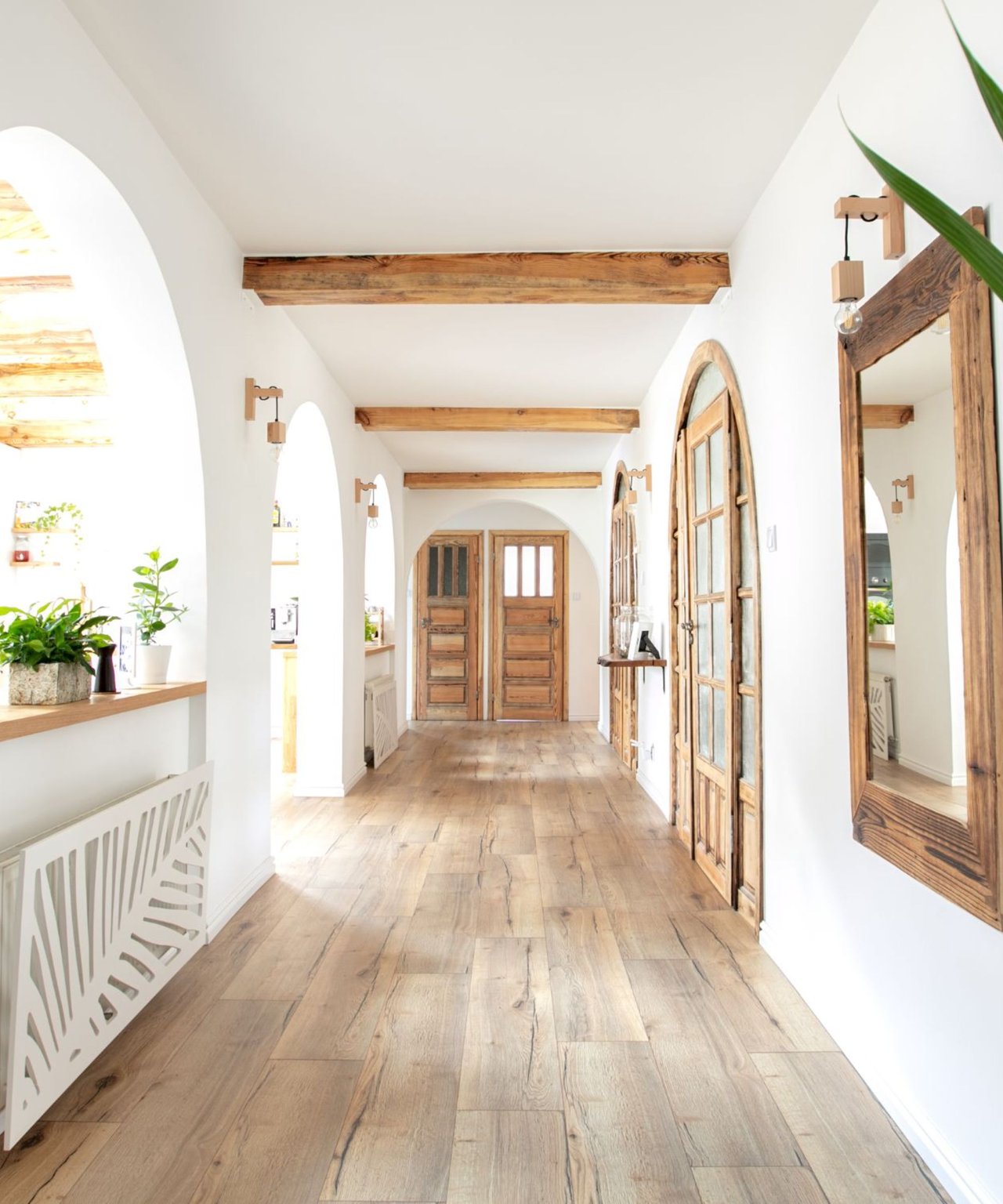
Thinking about Temecula but not sure what day-to-day life really feels like? You’re likely weighing a bigger home and suburban comfort against a longer commute or more driving. This guide walks you through neighborhoods, housing options, commute realities, schools, outdoor life and the tradeoffs so you can decide with confidence. Let’s dive in.
Temecula at a glance
Temecula sits in southwestern Riverside County between Riverside/Corona and northern San Diego County. It’s a suburban city of about 110,000 people with a growing reputation for wine country, Old Town charm and regional events. You’ll find hot, dry summers and mild winters in a Mediterranean climate. Fire season and occasional smoke during regional wildfire events are seasonal realities to plan for.
Temecula serves as both a bedroom community and a local job hub in hospitality, retail, education and healthcare. Many buyers consider it because it often offers more space and newer homes compared to coastal markets while staying connected to larger job centers by freeway.
Neighborhoods and lifestyle fit
Temecula’s neighborhoods vary in setting and pace. Here’s how the main areas differ so you can match your lifestyle to the right fit.
Old Town Temecula
Old Town is the historic core with walkable blocks, restaurants, shops, tasting rooms and frequent events. Housing nearby includes smaller single-family homes and some townhome or condo infill. You get character, energy and easy dining, with more weekend activity and event traffic.
Temecula Wine Country
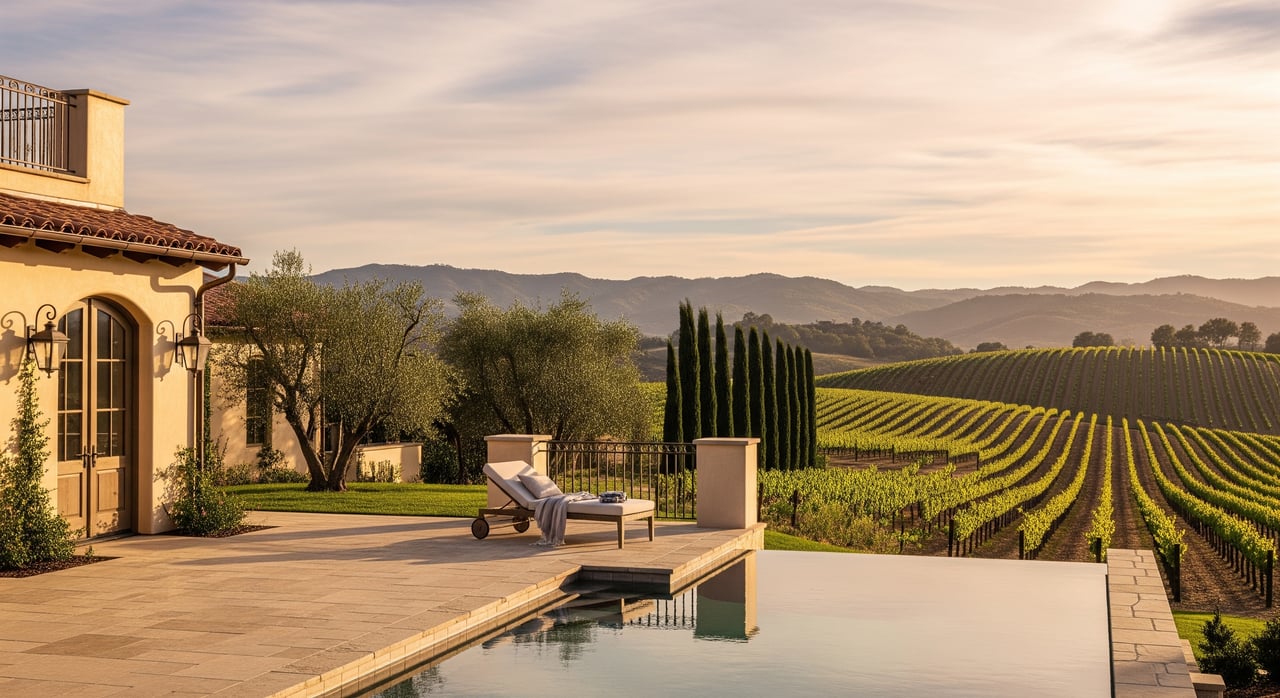
Just north and northwest of the city, wine country offers larger lots, vineyards and estate or ranch properties. It feels rural or semi-rural with open views and privacy. Expect increased visitor traffic on weekends and during special events.
Master-planned communities
Areas such as Harveston and Redhawk feature single-family homes, parks, trails and community amenities. Redhawk includes a golf focus, while many subdivisions have HOAs that maintain common areas and recreation spaces. These neighborhoods tend to appeal to households seeking cohesive streetscapes and neighborhood parks.
South Temecula and Murrieta-adjacent
You’ll find newer subdivisions with many entry-level and mid-range single-family homes. These areas are popular with commuters and buyers looking for newer construction and access to highways. Lot sizes are often modest, with proximity to shopping corridors.
Equestrian and ranchette pockets
On the outskirts and near wine country, certain pockets allow for horses and hobby farming. These homes offer land and flexibility for outdoor storage and workshops. Buyers prioritize space and privacy in exchange for longer drives to retail corridors.
Active-adult and 55+ options
Temecula includes planned communities for downsizers and retirees with single-level layouts and community centers. These neighborhoods focus on low-maintenance living and social programming. They offer a quieter pace without sacrificing access to everyday services.
Home types and what they mean for you
Temecula’s housing stock leans suburban. Here’s what you’ll encounter and how it affects your day-to-day.
- Single-family detached homes: The majority of listings, ranging from older ranch-style to newer 3 to 5+ bedroom homes. Good for buyers who want private yards and room to grow.
- Townhomes and condos: A smaller share of the market that provides a more affordable entry point and lower maintenance. Popular with first-time buyers and downsizers.
- Estate and rural properties: Found in wine country and the outskirts. Best for privacy, land use and potential equestrian setups.
- Active-adult housing: Single-level or low-maintenance options in 55+ communities. Strong fit for retirees or anyone seeking a simpler upkeep profile.
- HOAs and amenities: Many master-planned areas include HOAs that maintain parks, pools and trails. Dues and community rules vary by neighborhood, so review them closely during your search.
Daily life and amenities
Old Town is the area’s social hub, with tasting rooms, dining, live music and regular community events. You also have major retail along Winchester Road and Rancho California Road, plus the regional mall at Promenade Temecula. Grocery chains and local services are spread throughout the city, so you can usually handle errands within a short drive.
Dining and entertainment reflect the city’s visitor draw, especially on weekends. You’ll find casual eateries, wine country restaurants, breweries, and seasonal festivals that add energy to the calendar. If you enjoy live events and local markets, you’ll have something to do most weekends.
Schools and education
Public schools are served by Temecula Valley Unified School District. The district includes multiple elementary, middle and high schools, and performance varies by campus. If schools are a priority, review individual schools as you narrow neighborhoods.
Families also have access to private and parochial schools and a range of preschools. For higher education, community colleges and California State University campuses are within driving distance elsewhere in the region.
Healthcare and essential services
Temecula offers community hospitals, urgent care and medical offices for routine and emergency needs. For more specialized care, many residents drive to larger centers in Riverside or San Diego counties. Senior services and assisted-living options are available in and around the city.
Getting around: commute and transit
I-15 is the main spine for daily commuting, connecting north to Riverside/Corona and south to northern San Diego County. Expect typical rush-hour slowdowns on weekdays and added weekend congestion near wine country and Old Town during events. East-west routes like Rancho California Road, Winchester Road and Temecula Parkway carry most local traffic.
Public transit exists but is limited compared with larger urban centers. Riverside Transit Agency provides bus service, including some commuter routes, but most households rely on cars. Temecula does not currently have a Metrolink passenger rail station, so rail users drive to nearby stations such as those in coastal North County or other regional hubs.
For air travel, San Diego International is often the most convenient major airport, depending on traffic. John Wayne/Orange County, Ontario International and Los Angeles-area airports are within driving range for broader flight options.
Outdoor recreation and events
If you like the outdoors, Temecula gives you several easy options. The Santa Rosa Plateau Ecological Reserve offers trails and native habitat within a short drive. Cleveland National Forest and local open spaces provide hiking, mountain biking and equestrian opportunities.
On the recreation side, golf courses and private clubs are available throughout the area. Hot air ballooning is a signature experience, often at sunrise, and a highlight for visiting guests. The annual Temecula Valley Balloon & Wine Festival and other seasonal events bring the community together.
Tradeoffs to consider
Every market has tradeoffs. Here are the big ones most buyers evaluate in Temecula:
- Housing vs. commute: You may get more home for the money than coastal counties, but commutes to coastal job centers can be long during peak hours.
- Car dependency: Suburban design and limited rail mean most errands and daily commutes happen by car.
- Visitor traffic: Wine country and Old Town see weekend peaks that affect local traffic and business hours.
- Seasonal risks: Fire season and occasional air quality impacts require preparedness and insurance planning.
Is Temecula a fit for you?
If you want suburban space, newer homes and a lively calendar of local events, Temecula likely belongs on your shortlist. Master-planned areas suit buyers who want parks, trails and community amenities. Wine country draws those seeking land, privacy and a rural edge.
First-time buyers can find entry points in townhomes and smaller single-family homes. Move-up buyers appreciate larger floor plans and neighborhood amenities. Downsizers often target single-level layouts and active-adult communities for simple living and social connections.
How we help you buy or sell here
Choosing where to live is a financial and lifestyle decision. You deserve clear advice, not hard sales. As a seasoned broker-owner, Craig Flint leads with local knowledge, transparent set-fee pricing for sellers, and hands-on guidance for buyers across Temecula and the Inland Empire. Whether you’re pricing a sale, comparing HOA communities or weighing commute tradeoffs, you get direct, senior-level support from first consult through closing.
If Temecula is on your list, let’s talk through neighborhoods, budget, HOA differences and a step-by-step plan tailored to you. Connect with Craig Flint to get practical guidance and your next best move.
FAQs
Is Temecula a good fit for families?
- Many households choose Temecula for master-planned neighborhoods, parks and a local school district that serves the city; review specific schools as you compare areas.
How long are commutes from Temecula to job centers?
- Commute times vary by destination and traffic; trips to nearby Riverside County hubs can be 20 to 60 minutes, while drives to Orange County or coastal San Diego often exceed an hour at peak.
What housing types will I find in Temecula?
- You’ll see mostly single-family homes, plus some townhomes and condos, and estate or ranch properties on the outskirts and in wine country.
Is public transit a realistic option in Temecula?
- Bus service exists, but coverage and frequency are limited; most residents rely on cars because there is no local passenger rail station.
Are there options for downsizers and retirees?
- Yes, active-adult communities and single-level, low-maintenance homes are available and popular with downsizers.
What seasonal risks should I prepare for?
- Fire season and smoke from regional wildfires can impact air quality; plan for defensible space, insurance needs and emergency readiness.